
Top Flooring Solutions: Carpet and Vinyl Installations

Choosing the right flooring for your home can feel overwhelming. With so many options available, it is essential to find a solution that fits your style, budget, and lifestyle. Two popular choices are carpet and vinyl. Both have unique benefits and can transform your space. In this post, we will explore the advantages of each flooring type, installation tips, and maintenance advice to help you make an informed decision.
Why Choose Carpet?
Carpet is a classic flooring option that offers warmth and comfort. It is perfect for bedrooms, living rooms, and other areas where you want to create a cozy atmosphere. Here are some reasons why carpet might be the right choice for you:
Comfort: Carpet provides a soft surface underfoot, making it ideal for areas where you spend a lot of time. It is especially great for families with children or pets.
Insulation: Carpet acts as an insulator, helping to keep your home warm in the winter and cool in the summer. This can lead to energy savings over time.
Sound Absorption: Carpet helps to reduce noise levels in your home. It absorbs sound, making it a great choice for multi-story homes or apartments.
Variety of Styles: With countless colors, patterns, and textures available, you can easily find a carpet that matches your decor.
Affordability: Carpet can be a cost-effective flooring option, especially when compared to hardwood or tile.
When considering carpet, think about the type of fiber you want. Options include nylon, polyester, and wool, each with its own benefits. For example, nylon is durable and stain-resistant, while wool is natural and eco-friendly.
The Installation Process for Carpet
Installing carpet can be a straightforward process if you follow the right steps. Here’s a simple guide to help you through the installation:
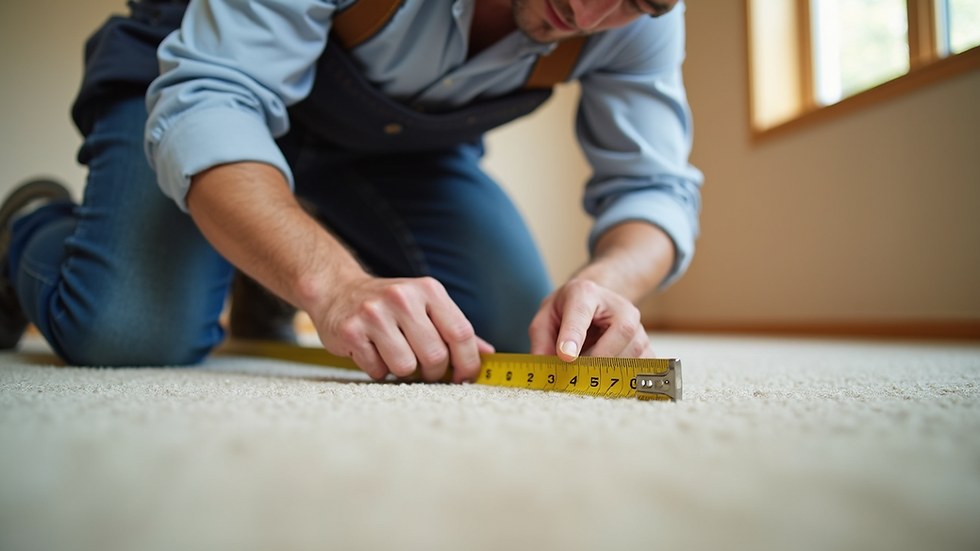
Measure Your Space: Start by measuring the area where you want to install the carpet. This will help you determine how much carpet you need to purchase.
Choose Your Carpet: Select the carpet that fits your style and budget. Don’t forget to consider the padding, as it can enhance comfort and extend the life of your carpet.
Prepare the Subfloor: Ensure that the subfloor is clean, dry, and level. Any imperfections can affect the final look of your carpet.
Install the Padding: Lay down the carpet padding, securing it with staples or adhesive. This step is crucial for comfort and insulation.
Cut and Lay the Carpet: Cut the carpet to fit your space, leaving a little extra around the edges. Lay the carpet over the padding and trim it to fit.
Secure the Edges: Use carpet tacks or adhesive to secure the edges of the carpet. This will prevent it from shifting or bunching.
Final Touches: Vacuum the carpet to remove any debris and fluff it up for a fresh look.
By following these steps, you can achieve a professional-looking carpet installation.
Why Choose Vinyl?
Vinyl flooring has gained popularity in recent years due to its versatility and durability. It is an excellent choice for high-traffic areas, kitchens, and bathrooms. Here are some reasons to consider vinyl flooring:
Water Resistance: Vinyl is highly resistant to moisture, making it ideal for areas prone to spills or humidity.
Durability: Vinyl can withstand heavy foot traffic and is less likely to scratch or dent compared to other flooring options.
Easy Maintenance: Cleaning vinyl is a breeze. Regular sweeping and occasional mopping are usually all that is needed to keep it looking great.
Variety of Designs: Vinyl comes in a wide range of styles, including options that mimic the look of hardwood or stone.
Cost-Effective: Vinyl is often more affordable than other flooring materials, making it a budget-friendly option.
When selecting vinyl, you can choose between sheets, tiles, or planks. Each type has its own installation method and aesthetic appeal.
The Installation Process for Vinyl
Installing vinyl flooring can be a DIY project or a job for professionals. Here’s a step-by-step guide for a successful installation:
Measure Your Space: Just like with carpet, start by measuring the area where you want to install vinyl. This will help you determine how much material you need.
Choose Your Vinyl: Select the type of vinyl that suits your needs. Consider factors like design, thickness, and installation method.
Prepare the Subfloor: Ensure the subfloor is clean, dry, and level. Any imperfections can affect the final look of your vinyl.
Acclimate the Vinyl: Allow the vinyl to acclimate to the room temperature for at least 48 hours before installation. This helps prevent expansion or contraction after installation.
Cut the Vinyl: Cut the vinyl to fit your space, leaving a little extra around the edges.
Install the Vinyl: Depending on the type of vinyl, you may need to use adhesive or simply click the planks together. Follow the manufacturer’s instructions for the best results.
Secure the Edges: Use transition strips or baseboards to secure the edges of the vinyl and give it a finished look.
Final Touches: Clean the vinyl to remove any debris and enjoy your new flooring.
With these steps, you can achieve a beautiful vinyl floor that enhances your home.
Maintenance Tips for Carpet and Vinyl
Proper maintenance is key to extending the life of your flooring. Here are some tips for both carpet and vinyl:
Carpet Maintenance
Regular Vacuuming: Vacuum your carpet at least once a week to remove dirt and debris. For high-traffic areas, consider vacuuming more frequently.
Spot Cleaning: Address spills immediately to prevent stains. Use a clean cloth and a mild detergent to blot the area.
Professional Cleaning: Consider having your carpet professionally cleaned every 12 to 18 months to remove deep-seated dirt and allergens.
Vinyl Maintenance
Regular Sweeping: Sweep or vacuum your vinyl floor regularly to remove dirt and debris.
Mopping: Use a damp mop with a mild cleaner to keep your vinyl looking fresh. Avoid harsh chemicals that can damage the surface.
Avoid Scratches: Use furniture pads under heavy items to prevent scratches and dents.
By following these maintenance tips, you can keep your carpet and vinyl flooring looking great for years to come.
Making the Right Choice for Your Home
When it comes to flooring, both carpet and vinyl have their unique advantages. Your choice will depend on your personal preferences, lifestyle, and the specific needs of your home.
If you value comfort and warmth, carpet may be the best option for you. It is perfect for creating a cozy atmosphere in bedrooms and living areas. On the other hand, if you need a durable and water-resistant solution, vinyl is an excellent choice for kitchens and bathrooms.
Consider your budget, the amount of foot traffic in your home, and your maintenance preferences when making your decision.

In the end, the right flooring can enhance your home’s beauty and functionality. Take your time to explore your options, and don’t hesitate to seek professional advice if needed.
Your home deserves the best, and with the right flooring solution, you can create a space that reflects your style and meets your needs. Whether you choose carpet or vinyl, you are sure to enjoy the benefits of your new flooring for years to come.

Comments